


Canada is a dream location for lovers of nature and outdoor recreational activities, with open spaces and countless national and provincial parks to explore. Cities are modern, clean, and safe with varied cultural attractions, historic sites, arts, and diverse peoples to welcome you.

This travel guide includes all of my recommended Canada highlights and essential information when planning a trip to Canada. I’ve lived in Canada my whole life and have driven from the furthest west coast to the furthest east coast of the country but still have a lot to explore in this vast country. As a proud Canadian I’ve highlighted some of the top locations to visit including my hometown of Calgary and other places in the country that I’ve enjoyed visiting.
Canada Highlights: Top Places to Go
Canada is the second largest country in the world geographically with 10 provinces and 3 territories spread over nearly 10 million kilometers. This travel guide is grouped by region because most visitors will select only one or maybe two of the following geographical areas to visit in a trip.

Ontario
Toronto, Ottawa/Parliament, Niagara Falls, Niagara on the lake, great lakes and cottage country (Algonquin Provincial Park, Muskoka), 1000 Islands


Quebec
Old Quebec City and Montreal


Maritimes – Nova Scotia, New Brunswick, and Prince Edward Island
Halifax, Charlottetown, Fredericton, Cape Breton Island, Saint John
Newfoundland and Labrador
St. John’s, Gros Morne National Park

British Columbia – Vancouver, Vancouver Island, and Interior
Victoria (Inner Harbour), Tofino, Parksville, Nanaimo, Salt Spring Island, Vancouver, Vancouver’s Stanley Park, English Bay, Capilano Bridge, Sea-to-Sky Highway, Whistler, Haidi Gwaii, Kelowna and Okanagan Valley

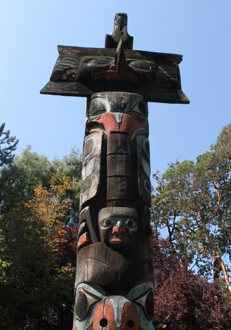

Western Canada – Rocky Mountains and Canadian Prairies
Calgary, Banff, Lake Louise, Jasper, Waterton, Saskatoon, Churchill Manitoba


Northern Canada – Yukon, Northwest Territories, and Nunavit
Dawson City, Whitehorse, Yellowknife, Inuvik, Artic Circle

Canada Highlights: Top Experiences and Activities


- Outdoor activities– Canada offers a wide variety of outdoor activities and recreation including hiking, golfing, horseback riding, mountain climbing, rafting, camping, skiing, snowboarding, snowshoeing, dogsledding, fishing, and ice skating.
- Ski Hills – Snowboarders and skiers come from all over the world to conquer the slopes of Mont-Tremblant, Mont Sainte Anne, Whistler (Blackcomb, Sunpeaks), Banff (Sunshine, Mt. Norquay), Lake Louise, Revelstoke, Fernie, Kicking Horse, and Panorama.
- Photograph wildlife – Wildlife are abundant throughout Canada and there are many locations to spot and photograph animals in their natural habitat. Depending on where you are in Canada there are opportunities for whale watching and to see bears, moose, deer, elk, fox, mountain lion, bobcat, cougar, seals, polar bears, and the Canada goose.


- Wineries – Sip ice wine at Niagara on the Lake or join a wine tour and gaze at the beautiful views of the Okanagan Valley (Naramata Bench) as you sample the fruits of the harvest. I would highly recommend a wine tour and tasting and I’ve enjoyed a couple of amazing wine tours in the Naramata Bench area of the Okanagan Valley.
- Beaches – With three oceans and freshwater lakes throughout Canada there are many beaches, both sandy and rocky, to include in your visit including Shallow Bay (Gros Morne), Kitsilano Beach or English Bay (Vancouver), Ingonish beach (Cape Breton), Cavendish Beach (PEI), Northwest Beach (Point Pelee), Long beach, (Tofino, Vancouver Island), Kelly’s Beach (New Brunswick), Georgian Bay (Ontario), and Wasaga beach (Ontario).
- Water sports– If you are looking for adventure try one of the many water sports available throughout Canada including sailing/boating, surfing, paddleboarding, rafting, kayaking, and canoeing.


- Cities – Explore one or more of the following cities, each with its own charm and attractions: Victoria, Vancouver, Calgary, Toronto, Montreal, Quebec City, Halifax, St. John’s.
- Historic and tourist sites – Canada’s history is newer than some parts of the world but there are fascinating historic locations and tourist sites throughout the country including: Old Quebec, Le Chateau Frontenac, Place Royale, Old Montreal, Notre Dame Basilica, Parliament Hill, Rideau Canal, CN Tower, Casa Loma, Victoria Harbour, Empress Hotel, Stanley Park, Grouse Mountain, Drumheller dinosaur fossils (Royal Tyrrel Museum), Dawson City, Manitoulin Island, and St. John Newfoundland’s Signal Hill. I would highly recommend one of these walking tours of Old Quebec City, driving through hoodoos to see the Royal Tyrell Museum near Calgary, viewing the city of Toronto from the CN Tower or biking in Stanley Park and along the seawall in Vancouver.
Festivals and Events – Join in the celebration and festivities of one of the following Canadian festivals or events: Calgary Stampede, Quebec Winter Carnival, Montreal Jazz Festival, Lake Louise Ice Magic Festival.


- Lakes, cabins and cottages – There are nearly 2 million lakes in Canada and one of our most loved pastimes is to spend time at the lake with family and friends, enjoying the scenery, and sitting around the campfire overlooking the water. Whether you stay in a cabin, cottage, or are camping there are endless options to enjoy. Some of the largest and most picturesque lakes include the Great Lakes (Ontario), Waskesiu Lake (Saskatchewan), Clear Lake (Manitoba), Emerald Lake or Okanagan Lake (British Columbia), Lake Louise, Moraine, or Maligne Lake (Alberta), Muskoka Lakes (Ontario) and Wapizagonke Lake (Quebec).
- National parks and natural wonders – Canada has 20 major ecozones each with unique and spectacular natural wonders. Extensive areas of the country are protected national and provincial parks with more open space than anyone could visit in a lifetime. Travel to one of the following areas in Canada to see what makes this such a special place to live: Niagara Falls, Newfoundland iceberg watching tours, glaciers, mountains and lakes of the Rocky Mountains (Banff, Lake Louise, Jasper, Kootenay), Bay of Fundy/Hopewell Rocks, Pacific, Atlantic or Artic oceans, northern lights, natural hot springs (Banff, Jasper, Radium, Liard River, Hot Springs Cove, Harrison, Kraus), 1000 islands, Baffin Island, Peggy’s Cove , Chutes Montmorency, or Hudson Bay.
Scenic drive or train ride across the country – One of the most splendid ways to see Canada is by taking a scenic drive or train ride across the country. Some of the best views include the Columbia Icefield Parkway, Cabot trail, Rocky Mountaineer train, The Canadian train, Confederation Bridge, Sea-to-Sky highway, Alaska highway, or Top of the world highway. A cross-Canada drive is a big adventure and Deb and Peter shared their route, where to stay, and how to plan a road trip to the East Coast of Canada and stay in free accommodation.
Canada: Best Time to Visit
- Canada is massive, with a diverse geographical area and varied weather patterns depending on the location and time of year. The best time to visit depends on what activities you would like to do and the region you are visiting.
- In general, summertime (Late May to September) is the best time to visit for outdoor activities such as hiking, boating, rafting, surfing, paddleboarding, horseback riding, biking, camping, canoeing, visiting national parks, beaches, cities, and historic sites, viewing animals, and summer festivals (Calgary Stampede, Montreal Jazz festival).
- Winter (November – March) is the best time for skiing, snowshoeing, ice skating, dogsledding, winter festivals (Quebec Winter Carnival, Lake Louise Ice Magic Festival).
- Spring and fall are generally pleasant throughout Canada.

Canada: Best Way to Get Around
- Fly – Flying is quickest and most practical way to navigate the various regions of the country. Driving across Canada is an amazing experience but could take weeks so you need a long time to visit multiple regions.
- Car Rental – Stay in a base location and rent a car or look for guided bus tours to see key sites. Because of the vast geography and relatively small population public transportation is not available everywhere and you can only access certain locations with your own vehicle.
- Trains – Trains are available for some limited routes across Canada but they are not widely available everywhere. There are some luxury trains across the country which offer a unique way to see the varied landscapes of the country (The Canadian from Toronto to Vancouver, Via Rail or Rocky Mountaineer railtours).
- Public Transit and Taxis/Uber – In the larger urban centres public transit is easily accessible, inexpensive and safe and other options like Uber, metered taxis, or hop-on-hop-off busses are available to see the city.
- Ferries – Ferries are required in some regions of the country that are not connected to the mainland including travel to Vancouver Island or Newfoundland.
Canada: Essential Information
Language
- English and French are the two official languages.
- English and French speakers are referred to as the Anglophone and Francophone populations, respectively.
- Anglophones are the majority except in Quebec.
Religion
- Canadian society promotes religious pluralism and there is no official national religion. Christianity is dominant (67.5%) followed by no religious affiliation (24%), and other religions (8.5%). Of the other religions Islam has about 3%.
Currency & Money
- Canadian Dollar is the national currency.
- Credit cards and debit cards are widely accepted nearly everywhere even in remote areas like campgrounds or at street vendor booths.

Canadian plug ins are the same as in the USA – Type A or Type B.

| Visa | Tourist Visa is not required for Americans, EU, UK, Australia and New Zealand citizens for short stays. An Electronic Travel Authorization is required if traveling by air to Canada (not required if arriving by land or by sea) for citizens of the EU, UK, Australia and New Zealand (Americans are exempt). Use this online tool to confirm if you need a Visa or Electronic Travel Authorization. |
| Time Zone | Time zone depends on where you are in Canada as there are six different time zones. Coordinated Universal Time (UTC), similar to Greenwich Mean Time (GMT) is the same as the time in London in winter months (but not during daylight savings time when it shifts by one hour). *Pacific Standard Time (PST) UTC – 8:00 (Vancouver) *Mountain Standard Time (MST) UTC – 7:00 (Edmonton/Whitehorse) *Central Standard Time (CST) UTC – 6:00 (Regina/Winnipeg) *Eastern Standard Time (EST) UTC – 5:00 (Toronto/Coral Harbour) *Atlantic Standard Time (AST) UTC – 4:00 (Halifax/Blanc Sablon) *Newfoundland Standard Time (NST) UTC – 3:30 (St. John’s) Most of Saskatchewan does not observe daylight savings time and will be on Central Standard Time year-round but other areas in Canada do change to and from daylight savings time each fall and spring. |
| Electricity | North American style two flat prong electric (Type B) or two flat prongs with a round prong (Type C) 110-120 volts, 60 hertz. |
| Capital City | Ottawa is the capital city with a population of around 2 million. Toronto is the largest city with a population of about 2.6 million. |
| Sports | Ice hockey is the main sport in Canada. |
Canada Highlights: Local Taboos, Norms, and Customs
- Do not refer to Indigenous people of Canada as “Natives” or “Indians”. These terms are now widely considered offensive. “Indigenous” is the appropriate descriptor when referring to First Nations, Métis and Inuit peoples.
- If there is a line for something, always queue and wait for your turn. Canadians hate it when someone cuts in front of them, especially in line at Tim Horton’s while they are waiting for their double doubles and Timbits.
- Canadians do not appreciate it when others invade their personal space, and often keep about an arm’s length distance between themselves (as well as in crowded situations, such as queues).
- Use your manners and always say “please” when asking someone for help. Thank those who have assisted you.
- It’s common for Canadians to say “sorry” in socially awkward situations, even when an apology isn’t necessarily needed. This is often a polite way to punctuate an awkward moment and keep conversation moving.
- A handshake is the common greeting between strangers. French Canadians may also greet each other by lightly kissing both cheeks once, starting on the left. Hugs, back-slaps and nods may all be used to greet someone one knows well.
- Avoid public displays of anger or other emotions that could cause a social distraction. Canadians generally avoid raising their voices or crying in public.
- Avoid becoming overly combative or argumentative about contentious topics. If you wish to discuss controversial topics, approach the conversation with calmness and openness. A Canadian is more likely to engage with you if you remain respectful and intellectually-informed about the subject, as opposed to emotionally charged.
- Canadians tend not to discuss religion in public or explicitly with those that they don’t know very well.
- It is considered impolite to ask a direct question about someone’s salary, wealth, weight or age. Asking personal questions about one’s marriage or relationship can also be seen as an invasion of privacy. Similarly, some people become very uncomfortable when asked about their political affiliations or who they voted for.
- Ice hockey is Canada’s most renowned national sport, and many Canadians take deep pride in their ice hockey teams.
Canada: Food and Drink

Tim Hortons, named after a Canadian ice hockey defenceman, is an iconic coffee and bake shop that you will find literally everywhere across Canada. Order a “double double” (coffee with two creams and two sugars) at Timmie’s and buy a 20 pack of Timbits (cake donut shaped in small balls) with a variety of flavours.


Other Canadian drinks include:
- London Fog – Earl Grey tea with cream.
- Ceasar – a cocktail made from vodka, clamato juice, hot sauce and Worcestershire sauce, with a celery salt rimmed glass and garnished with a lime and vegetables.
- Ice Wine – sweet desert wine from the Niagara Region made from grapes that have frozen on the vine.
- Canadian Club Whisky – commonly referred to as “CC”.
- Canadian beer – called a two-four or a flat when sold in packs of 24.
Traditional foods from the province of Quebec include poutine (french fries with gravy and cheese curds), Montreal smoked meat, and Tourtiere (a meat pie of French origin).


From Canada’s west and east coast you will find a wide variety of seafood including Atlantic lobster or lobster rolls (a sandwich made with lobster meat, butter and mayonnaise in a bun), mussels, scallops, crab, oysters, cod and salmon. Salmon is sometimes smoked or cut in strips and sweetened with maple syrup or brown sugar and sold as candied salmon. Canadian cuisine also includes meats such as deer meat, bacon, and Alberta beef and many foods are influenced by waves of immigrants such as pierogies (dumplings with potatoes and other fillings) in the prairie provinces.







Popular Canadian sweets include Saskatoon berries (appear similar to blueberries) which are commonly used in pies and jams, maple syrup, butter tarts, Nanaimo bars (square with chocolate, cookie crumbs and vanilla buttercream filling), beaver tail pastries (with varied toppings) and apple fritters. Ketchup flavoured potato chips are a favourite snack and bannock is a traditional Indigenous flatbread that is baked or pan fried.
For the more adventurous

- Flipper pie / seal meat.
- Cod tounge.
- Wild game meats – moose, bison, deer.
- Screech – Newfoundlanders have a tradition of downing a shot of screech rum and kissing the cod to make you a true “Newfie”.
Canada: Health and Safety
- Water quality is high and you can drink water from the tap in almost all areas. Rural or remote areas that have unregulated water sources such as wells may require additional safety precautions. Bottled water is also widely available.
- 911 is the number to call across Canada for ambulance, police or fire fighting services.
- Health care is widely available across Canada but can be very expensive for non-citizens. Ensure you have appropriate insurance for emergencies. No specific vaccinations are required for travel to Canada.
- Altitude sickness could potentially occur in parts of Canada such as in the Canadian Rockies.
- Avoid bug bites, such as tick or mosquito bites and use insect repellant with deet in forested areas or near standing water.
- Cities in Canada are generally safe, with some specific areas of large cities that may not be recommended to visit at night. Take normal security precautions for crime which may include petty theft and pickpocketing in congested areas. Canada has stricter gun laws than the US and less homicides related to gun violence.
- Wildlife can be a risk to health and safety in the outdoors and precautions should be taken to avoid confrontation. Research the region you are visiting to determine what animals are most common.
- Road conditions are generally good in Canada but be prepared for emergencies if you will be driving in remote areas where help is not nearby, particularly where cell or internet services is unavailable.
- Monitor weather conditions in Canada and adjust your plans if necessary. It can be dangerous with extreme cold temperatures particularly in the winter months while driving during winter storms or avalanche areas in the mountains. Highways in British Columbia and Alberta may close without notice in the mountains. There is the potential for natural disasters such as hurricanes, avalanches, earthquakes, tsunamis, tornadoes, floods, rock slides, forest fires, and thunderstorms in areas within Canada.
Canada Highlights: Things to Know
Tipping
- Generally, when you are receiving services you are expected to give a tip. Even though it is not mandatory in most instances not tipping is considered rude. Some in the hospitality industry receive very low wages and rely on your tips to make enough to live. Taxes in Canada are added to bill of most services and tipping calculations always exclude the tax so use pre-tax amounts to calculate your tip. Typical tips are as follows:
- 15-20% tip based on the pre-tax total for service at restaurants is standard. A service charge is usually not included in the cost of the bill unless you are part of a larger group.
- Bartenders typically receive 10-20% of the cost of the drink or some will tell the bartender to keep the change if paying with a larger bill.
- If you check your coat leave CA$1-2 per coat.
- Tour guides typically receive 10% of the total cost of the tour as a tip but if it is a private tour and service was good many will increase the tip amount to 15%.
- At hotels it is standard to tip for services received; doorman $2 if they hail you a cab, $2-5 per bag to bell hops, CA$2-5 per day or a lump sum at the end of your stay for a chambermaid or housekeeper. For room service tip 15% but check whether a tip is already included in the cost of room service, as it is not necessary to tip on top of this. CA$2-5 is common for delivering a complimentary item, like extra pillows. Tipping the concierge is not usual in Canada but a tip will be welcomed if offered.
- 10-20% of the pre-tax amount is typical for Taxi drivers,15-20% of the pre-tax amount for hairdressers and barbers or masseurs.CA$5-10 tip when picking up your car at the valet; some people also tip when leaving it.
Taxes
- Canada has a 5% sales tax that applies almost all goods and services everywhere in Canada. There are also provincial sales taxes and sometimes additional tourist taxes for hotels in addition that apply to most goods and services in almost all provinces and territories so expect to see this added to your bills.
Toilets
- Canada relies heavily on publicly accessible toilets at coffee shops, gas stations, restaurants, or shops. These are privately owned by businesses and open to customers but are not truly public toilets, paid for by taxes and open to everyone. Restrooms are available for free but many business will expect you to make a small purchase in exchange for use of their facilities. If you are driving on major highways or in parks publicly available rest stops or pit toilets may be available but they could be widely spaced out and take hours to get to the next stop so be sure to stop when you see one.
Size and Diversity
- Canadian society values diversity as a source of unity and it differentiates the country from other places in the world. Originally inhabited by Indigenous peoples, immigration to Canada began with the French and British colonization and immigration. Canada has one of the highest percentage of newcomers to Canada compared to other G8 countries and has created a society of mixed languages, cultures and religions. Diversity in Canada extends beyond race and ethnicity but spans language, gender, religious affiliations, sexual orientation, abilities and economic status.
- Not all Canadians speak French. There are many regions where people speak only one of the two official languages fluently. Generally, the west and north parts of the country are primarily English speaking and the east and central Canada are more likely to have French speaking Canadians, particularly in the province of Quebec.
- Canada is heavily influenced by its proximity to the USA but avoid confusing Canadians with those from the USA. Some Canadians perceive this as a negative comparison. In general, Canadians tend to be noticeably more modest, indirect and considered in voicing their opinions.
Governance and Geography
- Canada is a constitutional monarchy. Since the 1500’s Canada has had reigns of an uninterrupted succession of monarchs, both French and British. His Majesty King Charles III doesn’t “rule” the country but as Canada’s Head of State, he remains a fundamental part of Canada’s system of government and identity and photos of the royal monarch are on Canada’s currency.
- Canada has one of the largest landmasses in the world stretching from the Atlantic ocean in the east, the Pacific ocean in the west and the Artic ocean in the north. The geography is diverse with numerous ecosystems divided into regions of the country. Each region has its own unique culture, people, landscapes and sometimes languages. There are 10 provinces, 3 territories, and 6 time zones. To drive from Quebec City to Vancouver takes about 50 hours and that doesn’t even include all of the regions in Canada or time to explore. You will need to visit the country more than once to visit all regions so most travellers will pick only one or two areas to visit in a single trip.
- Recreational cannabis is legally available in Canada but local laws vary in terms of where it can be consumed. It is illegal to take cannabis across the Canadian border.
Be Prepared
- Pack for and dress for the weather. It will vary greatly depending where in Canada you are and the time of year. It is not snowy and frozen everywhere but in the winter it can be in some locations where temperatures dip below 30 degrees Celsius.
- Don’t leave a window open in cold temperatures in the winter. This will freeze the pipes which can burst and cause major water damage in your hotel.
- Although Canada has good infrastructure and networks some locations outside of the cities are very remote (e.g. Canadian Rockies) and will not have reliable cell service or intranet.
- Don’t try to feed wild animals or get too close. Feeding wildlife is illegal, its dangerous for you and it can result in wildlife being killed because they are too habituated to humans. Everyone is excited and wants to take a picture when they spot a bear or other wildlife. Always take photos from the safety of your car or from a far distance.
Rules and Measurement
- Smoking in public places is not common in Canada and is banned in many locations such as workplaces, public transit, bars, cafes, and restaurants, shops, or other public indoor spaces. Designated outdoor areas away from entrances will be clearly marked with signage.
- Legal drinking age can vary depending where in Canada you are. In some provinces it is 18 and in others it is 19.
- Canada uses the metric system which is different than travel in the US. Distance is measured in kilometers, gas is pumped in liters and weather forecasts are expressed in celsius.
