


Italy has some of the most varied and scenic landscapes on earth in a boot shaped landmass in southern Europe. There is something for everyone to enjoy with majestic views of mountains, lakes, and seas, instantly recognizable historic sites and ruins, cities and towns with old world charm, trendsetting fashion, world famous art and culture, and cuisine that is emulated worldwide.

This travel guide includes all of my recommended Italy highlights and essential information when planning a trip to Italy. Italy is one of my favourite places to travel to and I’ve had the opportunity to explore many of the main regions and cities. I loved boating and soaking in the sun on beaches in the Amalfi Coast, Capri, Ischia, and Cinque Terre and was awed by ancient ruins in Pompeii and Rome. Many of the most famous tourist sites worldwide can be found in Italy and it continues to call to me. From the romantic waterways of Venice, majestic art and sculptures of Florence and Rome, the food, wine, and scenic views of the countryside in Tuscany cannot be topped.
Italy Highlights: Top Places to Go
- Venice
- Rome
- Florence
- Tuscany
- Milan
- Lake District (Maggiore, Lugano, Como, Iseo, or Garda lakes)
- Italian Riviera and Cinque Terre (Riomaggiore, Manarola, Corniglia, Vernazza, Monterosso al Mare)
- Sicily
- Amalfi Coast (Positano, Amalfi, Ravello, Capri, Ischia, Sorrento, Pompeii)
- Bologna (Emilia Romagna region)
Italy Highlights: Top Experiences and Activities


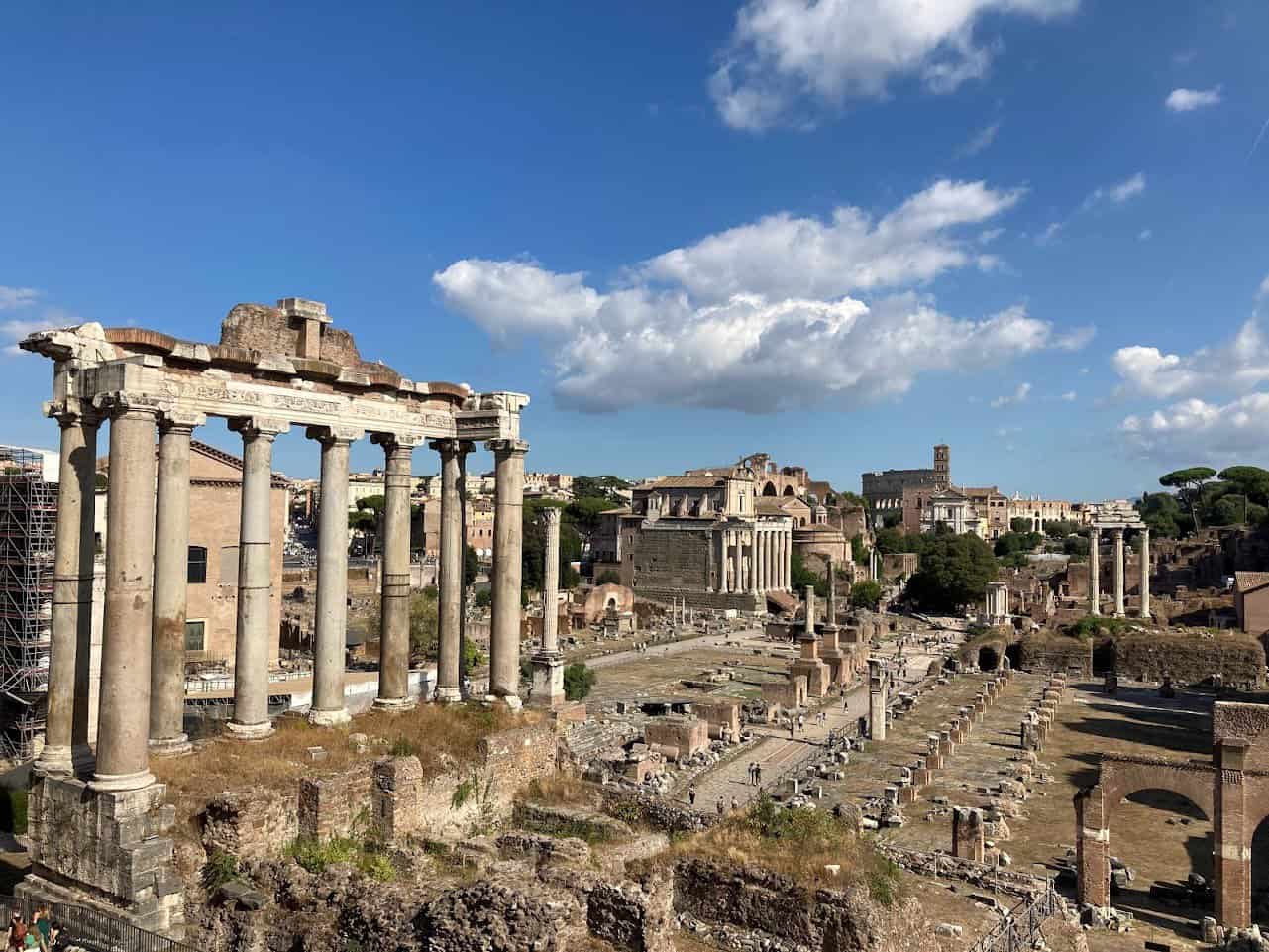


Historic sites and ruins – Stroll through historic sites and ruins including the Coliseum, Palantine Hill, and The Roman Forum in Rome, Pompeii and Herculaneum at the foot of Mount Vesuvius, Paestum’s Greek temples, or the Doric temple in Segesta, Sicily. Cross the Rialto bridge in Venice or Ponte Vecchio in Florence or climb the spiral staircase of the Leaning Tower of Pisa.
A tour with a local guide is a must when visiting these ancient sites. Graham and I booked the Pompeii tour as the area is massive to walk in and we didn’t want to miss important highlights like the preserved plaster casts, Temple of Apollo or gladiator barracks. The Colosseum has very long line ups and your tour guide will lead you through a separate fast track entrance to avoid waiting outside to get in. Of course, you can walk through these ruins yourself but without the context, stories, and explanations of what the ruins were and how people lived in them it is hard to appreciate their significance.
Masterpieces of Italy


Art galleries and palaces – You can find many of the great masterpieces of Europe in the Uffizi Gallery, Florence, see the famous statue of “David” in the Accademia gallery, Florence, marvel at Michelangelo’s iconic ceiling on the Sistine Chapel at the Vatican Museum, be dazzled by the opulent art and décor at the Doge’s Palace in Venice, or gaze at Leonardo DaVinci’s “Last Supper” in Milan.
If you haven’t visited these world famous galleries before you may not be aware that they are very popular and lines stretch around the block to buy your tickets and enter. I usually purchase skip the line tickets from Viator to avoid spending the short time I have on vacation waiting in line, particularly when I have limited time to visit. A guide will also be able to point out the most famous works so you don’t miss them as you walk through the halls of these vast galleries.

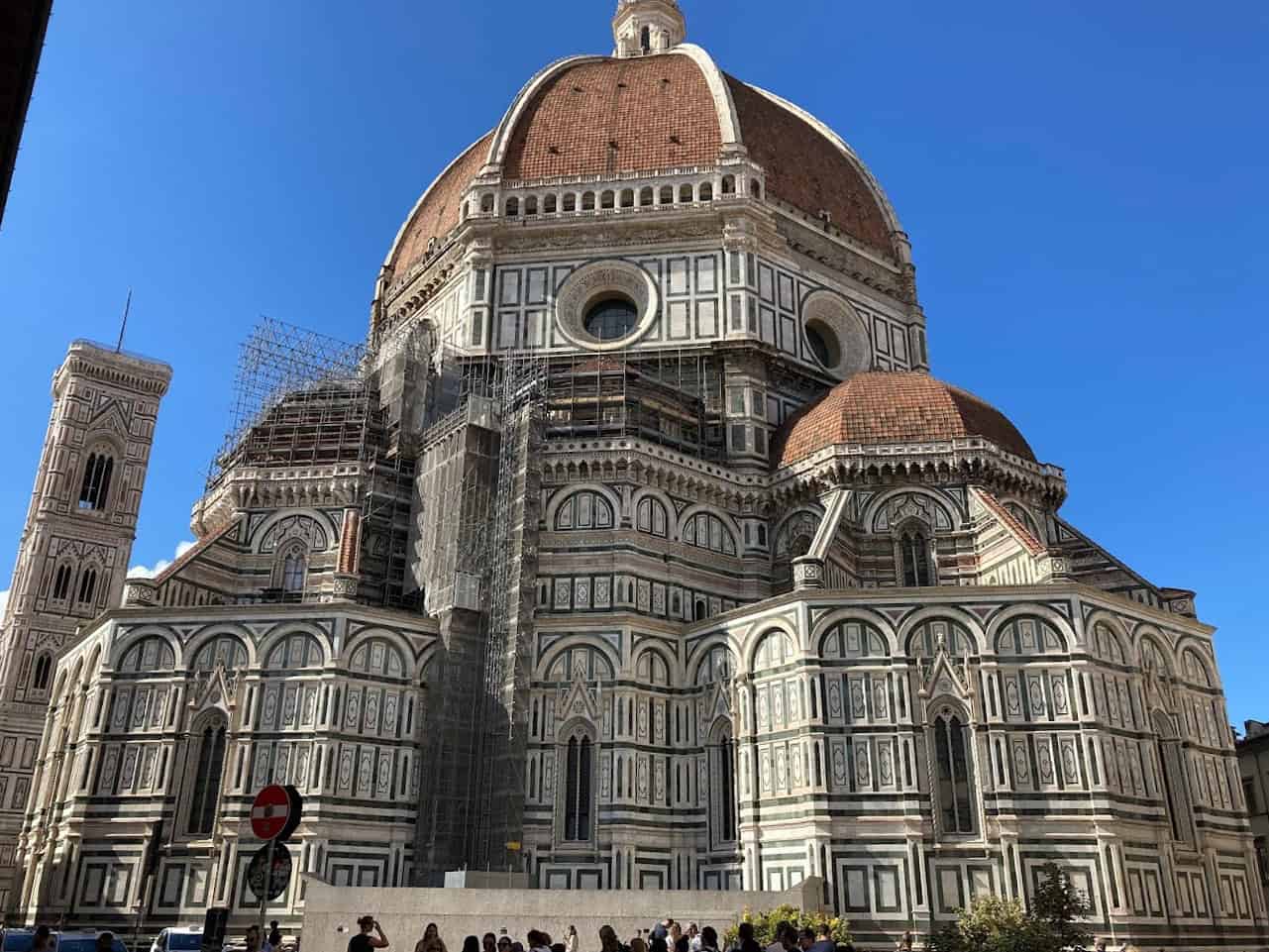
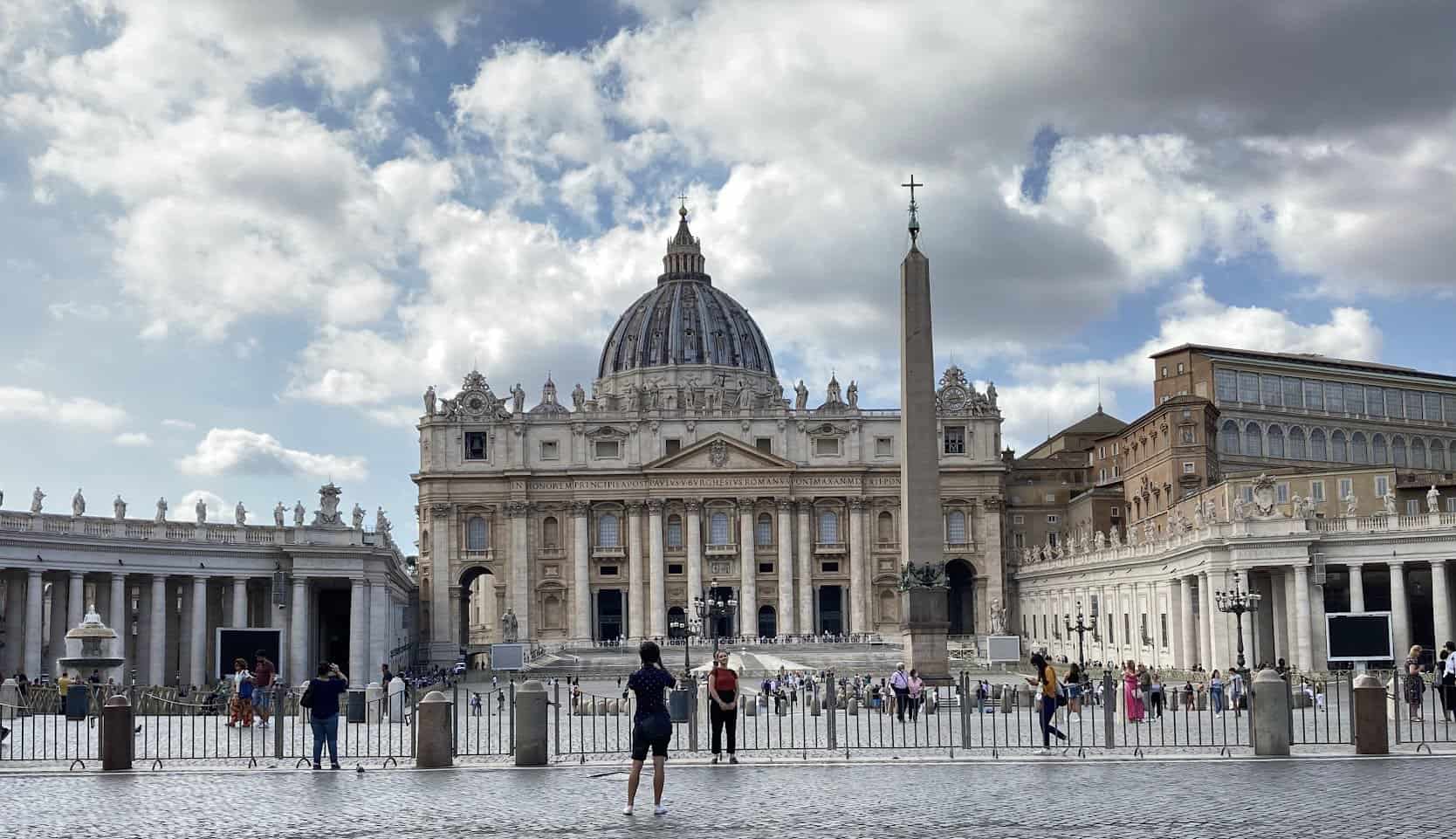
Cathedrals and castles– Visit magnificent cathedrals including St. Peters Basilica in Rome, the Duomo of Florence, Duomo of Sienna, Tuscany, St. Mark’s Basilica in Venice, the Duomo of Milan, or the Duomo of Amalfi. Go back in time while exploring the Aragonese Castle in Ischia, or the medieval towns of San Gimignano or Sienna in Tuscany. Sienna is also famous for hosting the semi-annual Palio horse horserace in the Piazza del Campo.
I love to get the most out of my visit to these spectacular cathedrals by booking a guided tour. Guides can get you inside without waiting in line, they will take you to all of the special hidden places that most visitors never see, and they take the time to explain the history and symbolism of each site.


Wineries and farms – Sample some of the best organic wines and foods in the world during a winetasting tour through the scenic wineries of Tuscany, Umbria, Latium or Emilia Romagna. Enjoy stunning views of the countryside, organic olive oils, and hearty and flavourful homemade meals.
Graham and I went on this day trip from Florence and it was amazing! We didn’t have a car, and only had one day so it was a great way to see all of the major sites. Our guide took us through San Gimignano and Siena and shared stories of the rich history of these old medieval towns. We enjoyed a mouthwatering lunch at a local winery and farm with views overlooking the Tuscan countryside. The ingredients from lunch were grown on the farm and we were offered generous tastings of the different types of wine produced at the winery. Our photos show the incredible views we enjoyed during lunch on an outside covered patio.


Sea views – Marvel at the panoramic views of the Tyrrhenian sea from Villa Cimbrone or Villa Rufolo in Ravello or the famous Faraglioni Rocks from the top of Monte Solaro in Capri.
Ravello is one of the most enchanting places of the Amalfi Coast and is set 365 metres above the Tyrrhenian Sea. Each year the renowned Ravello Festival is held with musical performances in the beautiful lush green gardens of Villa Rufalo overlooking the sea. Ravello attracts intellectuals, artists and musicians who have composed great works in this inspirational setting. Villa Cimbrone, boasts some of the most magnificent views in Italy from its scenic belvedere named the Terrace of Infinity.


Hiking – Admire the spectacular views from the Path of the Gods hiking trail along the Amalfi Coast or one of the paths connecting the five villages of the Cinque Terre. We hiked along the blue trail connecting Monterosso el Mare and Vernazza and the views of the sea and of Vernazza from above were breathtaking. The Path of the Gods hike on the Amalfi Coast is a surreal experience with stunning views overlooking the sea and countryside. I’d highly recommend this hiking experience if you are visiting this part of Italy.
Boating – Set sail around the island of Capri with a stop at the Blue Grotto, meander through the canals of Venice in a gondola, or cruise along the Amalfi coast or Cinque Terre to view the coast from the water.
A boat tour in Italy is a truly magical experience that cannot be topped. What could be more romantic than floating along the Grand Canal in Venice in a traditional gondola? One of my favorite memories is the tour Graham and I took around the island of Capri, exploring the blue grotto with its incomparable azure waters, and cruising through the Faraglioni Rocks.


Festivals and Events – Attend Carnival in Venice or spot your favourite movie star during the Venice International Film Festival. The Palio of Siena is a horse race that has been held since 1644. The race is scheduled twice a year (July and August) in the unusual fan-shaped piazza, Il Campo in Siena, Tuscany. Milan Fashion Week attracts the rich and famous and those who love fashion and want to be the first to see the latest trends.
Water sports – Parasail, snorkel, dive, kitesurf, waterski, paddleboard, kayak, or fish along the beautiful coastline, lakes and rivers in Italy.
Skiing – Ski the slopes of the Dolomites or Mount Etna while enjoying the breathtaking alpine scenery.
Beaches and coves – Relax in a scenic cove or sandy beach at one of the beach clubs in Capri, Ischia, Positano, or Maoiri on the Amalfi Coast.
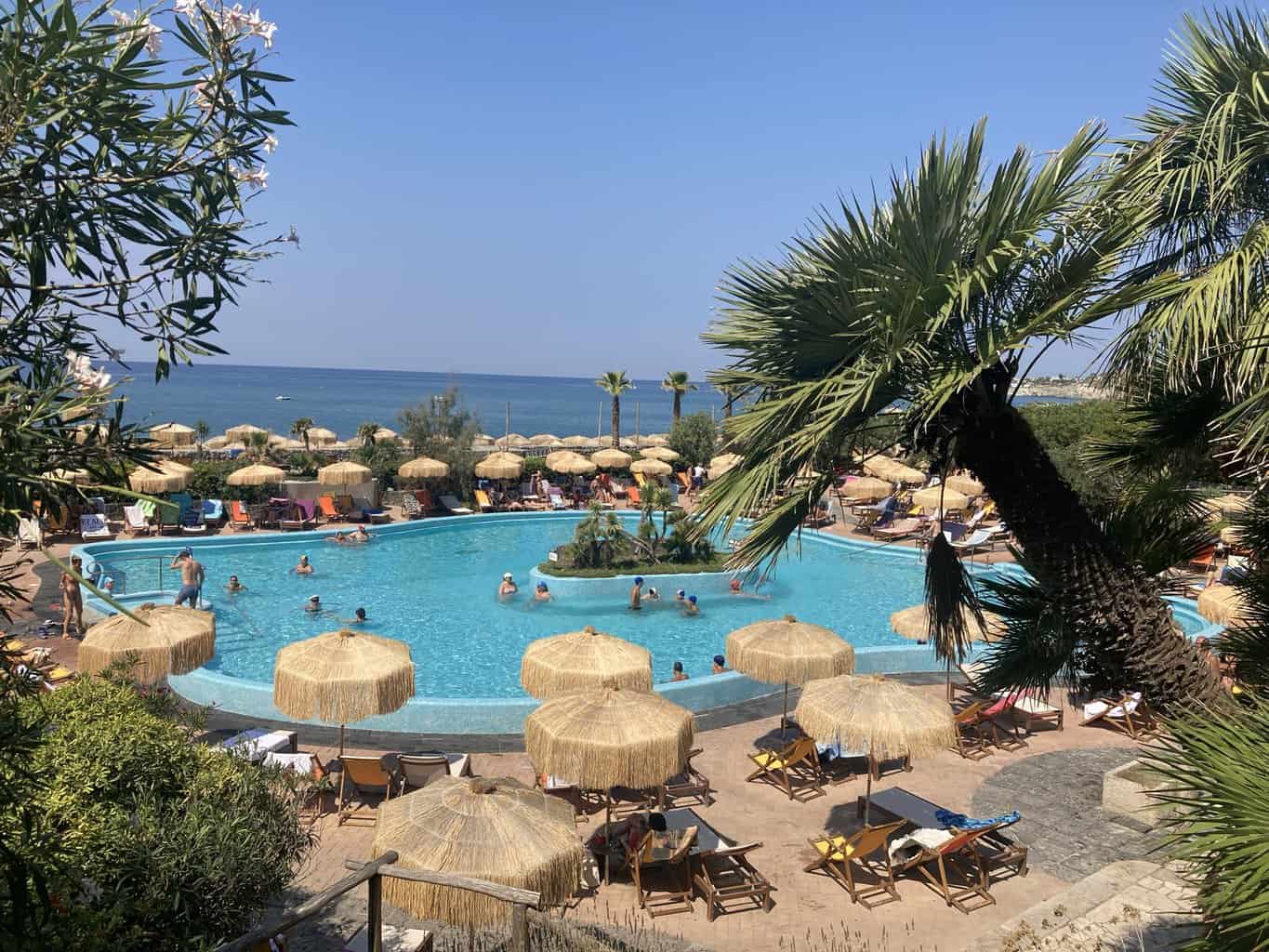
Spas – Soak in thermal waters, heated by underground volcanoes, or try a mud bath spa treatment in Ischia. One of our favourite days in Italy was spent at the Poseidon Thermal Gardens in Italy.
The Poseidon Thermal Gardens are the largest thermal park of the island of Ischia. The property extends over six hectares and includes more than 20 pools, with varied temperatures, over terraces overlooking the beautiful Bay of Citara. Visitors can enjoy the relaxing and holistic treatments or sun themselves on the long private beach with crystal clear waters.


Food and Drink – Join a cooking class or simply enjoy the mouthwatering Italian cuisine made from high quality ingredients including homemade pasta with pesto or tomato sauces, fresh seafood, colourful and ripe vegetables and fruits, olives and olive oil, prosciutto meat slices, ricotta or mozzarella cheeses, wood fired pizza, gelato, tiramisu, pastries, espresso, limoncello, or other regional wine and food specialties.
Cities – Take a walking, bike, or hop on hop off bus tour to see all the top sights of your Italian city of choice.
Shopping – Italy is a great place to shop for gold, fashion, glass, ceramics and earthenware, leather, prints or engravings, and religious objects.


Italy: Best Time to Visit
- Between April-June or Late September to October is shoulder season and you can expect warm weather, better prices, and less crowds. In general, the weather ranges from warm to hot from May to October.
- High season is mid-June to mid-September and you can expect prices to be at a peak and big crowds. Weather is generally hot throughout these months.
- Avoid going in August when the weather is hot and muggy, and the crowds are at a peak. Most of Italy is on vacation during this month and there are many closures throughout the country
- Low season is November 1 to mid-December and after December 25 to March 31. This is winter so some activities (e.g. sunbathing) will not be possible at this time of year. Winters in the north of Italy are cold, snowy, or rainy but in the South there can be warmer temperatures year round.
Italy: Best Way to Get Around
- Omio is one of the best sites around to plan your transportation in Italy. Omio’s unique platform allows you to search and compare prices and schedules for trains, ferries, and air travel all in one place. This allows you to see at a glance what options are available and what the costs are for each mode of transportation without having to compare individually on each company’s website.
- Train Italy has an extensive network of local and high speed trains and this is the best way to travel between cities and towns throughout the country. For example, you can easily travel from Milan to Lake Como in only 37 minutes! Look on the Trenitalia or Italio websites for schedules and pricing and consider purchasing a Eurorail pass.
- Ferries and boats are convenient and frequent in some areas like the Amalfi Coast or Sicily.
- Air travel is reasonably priced and quick with many discount air carriers between major cities. AirItalia is the national carrier.Buses services like Sita are common in some areas where trains are not available (e.g. Amalfi Coast)The funicular is the quickest and fastest route from the pier to Capri.
- Avoid renting a car in the large cities or Amalfi coast where parking is challenging and driving conditions can be hazardous. Do rent a car to explore areas away from the main cities and train stations, like Tuscany, but be aware that gasoline is very expensive in Italy.
- Subways are easy to use in the larger cities like Rome or Milan.
Language
- Italian is the national language.
- English is widely spoken in tourist areas.
Religion
- About 71% of the population is Roman Catholic or Christian, 3% are Muslim, and 26% are other religions.
Currency & Money
- The Euro is the national currency.
- ATM’s/Bancomats are commonly available in towns and cities.
- Credit cards are widely used across the country.
Italy: Essential Information

Italy uses European style round pronged plugs (Type C) with 220 volts and 50 hertz or a triple pronged Type L plug at 230 volts. North Americans will need an adaptor for both the plug and voltage to avoid damaging your devices.

| Visa | Tourist Visa is not required for visitors from Canada, US, UK, Ireland, Australia and New Zealand up to 90 days. Some nationalities may require a Schengen visa. |
| Time Zone | GMT/UTC + 1 hour or Eastern Standard Time plus 6 hours. Daylight savings time is observed with changes at the end of March and end of October. |
| Electricity | Type C, 200-220 volts, 50 hertz or Type L, 230 volt 50 hertz. European style round prongs fit most outlets but you need a converter for appliances that are 110 voltage to avoid damaging your devices. The triple pronged Type L plug might be used in some locations. |
| Capital City | Rome is the capital city and largest city with a population of over 4 million people. |
| Sports | Football is the most popular sport in Italy. |
Italy Highlights: Local Taboos, Norms, and Customs
- A coperto or cover charge is commonly charged for bread if you accept the bread and when you sit down at a restaurant.
- Eating dinner late is common in Italy and most won’t eat until after 8pm at the earliest.
- Some shops close in the afternoon depending on where you are.
- Smoking is banned in public places that are enclosed but is common in open outdoor spaces such as outdoor restaurants and cafes.
- There is no legal age to drink in Italy. Children are exposed to wine at an early age and are generally served wine with meals along with adults.
- Que jumping is common in Italy. Be polite but assertive.
- Cover shoulders and knees in churches.
- Most Italians take an annual holiday in August and there are many closures throughout the country.
- Common phrases to know include arrivederci (goodbye), scusi (excuse me when trying to get someone’s attention), buongiorno (good morning), buono sera (good evening), buoon notte (goodnight), grazie or grazie milla (thank you), prego (you’re welcome).
Italy: Food and Drink

Fresh homemade pastas and sauces
Gnocchi, cannelloni, tortellini, fusilli tagliatelle, spaghetti, fettucine, vermicelli, and risotto.
Pesto sauce, pomodoro, alfredo, ragu, carbonara, puttanesca, vongole, cacio de pepe, and Bolognese.


- Florentine steak is a massive portion of delicious steak served in Florence. Chicken Piccata is made with a lemon sauce and capers.


Cocktails and alcoholic beverages – Sample aperol spritz, limoncello, grappa and wine (Italy produces more than any other nation) or espresso coffee.


Seafood – Fruitti de mare (fried seafood mixed) or seafood dishes such as spaghetti alle vongole (spaghetti with clams and white sauce)


- Cheeses – gorgonzola, mozzarella, bocconcini, ricotta.
- Meats – Pancetta, prosciutto, mortadella.
- Wood fired pizza and calzones.


- Antipasti, bruschetta, olives, olive oil, and balsamic vinegar.
- Minestrone and zuppa soups and insalata caprese
- Foccaccia bread and polenta.
- Nutella, Tiramasu (coffee flavoured dessert), cakes and pastries.
- Gelato or granita.
For the more adventerous
- Trippa (tripes) is Cow’s stomach with a soft spongy texture.
- Pannini con la milza is a veal spleen sandwich commonly available in Palermo with meat that is boiled and then fried in lard.
- Sanguinaccio is sweet pig blood chocolate pudding traditionally eaten for Carnival.
- Pajata Romana is a calf intestine stew.
- Stuffed dormouse is consumed in rural areas south of Calabria.
- Cresta di gallo is a rooster comb historically cooked in the farms during the renaissance in Tuscany.
- Cosce di rana fritte is fried frog legs.
Italy: Health and Safety
- You can drink the water in Italy and potable water is available in towns and cities including many public fountains where you are welcome to refill your portable water bottle for free. Bottled water is also available everywhere at a higher cost as some travellers have tummy issues when drinking water in new places.
- Emergency number is 118 for ambulance services anywhere in Italy.
- No vaccinations are required to travel to Italy but the WHO recommends standard vaccinations (Polio, Diphtheria, Tetanus, hepatitis B, measles, mumps, rubella).
- Health care is readily available throughout the country including English speaking doctors but standards will vary depending on where you are. EU, Swiss, and Norwegian citizens, including everyone with a European Health Insurance Card can access public hospitals for free. Everyone else will need to pay.
- Italy is generally safe with normal precautions such as wearing bags and cameras across the body and avoiding scooter riding thieves and pickpockets.
Italy Highlights: Things to Know
Tipping
- Tipping – Many people depend on tips for their livelihoods and tipping is expected.
- Chambermaid tip 1 euro per day.
- Valet or room service tip 1 euro for each service.
- Tip 1 euro per drink at a bar.
- Tip doorman 1 euro for calling a cab.
- Tip bellhops for carrying bags to a room (1 euro per bag).
- Concierge tip 15% of the bill or tip for extra services.
- At restaurants a 10-15% service charge is usually added to the bill as a cover charge. An additional tip is not expected but a couple of extra euros if you are pleased with the service is appreciated.
- Tip 0.10 Euro at a café for a cup of coffee.
- Checkroom attendant 0.75 Euro.
- Washroom attendant 0.50 Euro.
- Tip taxi drivers 15% of the fare.
- Tour guides can be tipped 5 euro per person for a half day tour in a large group or higher for longer tours or private tours.
Taxes
- An IVA/VAT charge of 22% is charged on most goods and services.
- Non-EU visitors might be eligible for a refund on taxes if you spend a certain amount at one store (e.g., 155 Euro) at stores that display the tax free for tourists sign. If you are eligible you can make your claim at the customs office at the airport.
- Hotel taxes range from 10-19% (generally a service charge of 15-19% is added to the bill).
- City taxes per night are charged at most hotels and are payable in cash at the hotel.
Toilets
- Airports and rail stations will have public restrooms.
- Bars, hotels, restaurants, cafes and gas stations have restrooms intended for paying customers.
- Public toilets are available in major sites and many public toilets charge a small fee or you need to tip the attendant (about 0.5 Euro) so carry small change and bring tissue paper with you.
Dining
- For a quick bite go to a bar. Bars serve alcohol but are mostly cafes. There is a price for standing and a higher price for sitting or table service (often 2-4 times higher for wait service).
- Enoteca is a wine bar where you can order wine plusinexpensive lunches. You can sit and eat and order finger foods.
- A full restaurant is generally called an osteria, trattoria, or ristorante.Pizza by the slice is called pizza rustica or pizza a taglio.
- Larger restaurants or in cities may have a menu turistico (tourist menu or menu of the day) that includes wine, the cover charge, 1st course and 2nd course and maybe the tip. Tourist menus can sometimes be bland so instead try the menu a Prezzo fisso (fixed price menu which includes wine and a better selection of dishes.
- Pane e Coperto is the charge for bread and cover and must be paid at restaurants for sitting at a table.
- You need to request the bill – it won’t be brought to you until you ask for it. The tip is usually included in the bill but ask if you are not sure.
General Information
- 39 is Italy’s Country Code.
- Italy uses the metric system.
- Drive on the right side and pass on the left side. Drivers need an international Driver Permit to drive unless you are from the EU.
- Some airlines and hotels offer senior discounts for check for this if applicable.
Italy Highlights: Additional Resources
Discover Italy: Official Tourism Website – Italia.it
My Favourite Travel Websites
I often get asked about where I book my travel. I’m always looking for deals that are a good value and these are the travel websites that I go back to again and again to book my own vacations.
Best Travel Websites
Booking.com
Hotels.com
VRBO or AirBnB
Expedia
Booking.com Car Rental
Suntransfers
Omio or Trainline
Motorhome Republic
Bus Bud
